Rufus vs. Ventoy:为什么我开始使用 Ventoy 来助推 USB
Rufus vs Ventoy: Why I Started Using Ventoy for Bootable USBs
如果您使用Windows或Linux,您可能在某个时候创建了可启动的USB. 例如,如果想要安装Windows 11或Linux Mint,可以下载ISO文件并使用Rufus这样的工具来创建可启动的USB. 鲁弗斯工作非常出色. 但最近,在使用Linux Mint的同时,我发现了另一个名为"文托"的工具. 起初,我想知道:如果鲁弗斯已经创建了可以启动的USB,我为什么要文托伊? 在了解了文托伊是如何工作的后,我意识到这两个工具解决了略有不同的问题. 以初禅相好相相相相想相. 鲁弗斯是什么? Rufus是创建可启动的USB驱动器的流行工具. 例如,假设您下载了 Linux Mint ISO:您打开了Rufus,选择您的 USB 驱动器和 ISO 文件,Rufus 准备 USB 以便您启动您的...
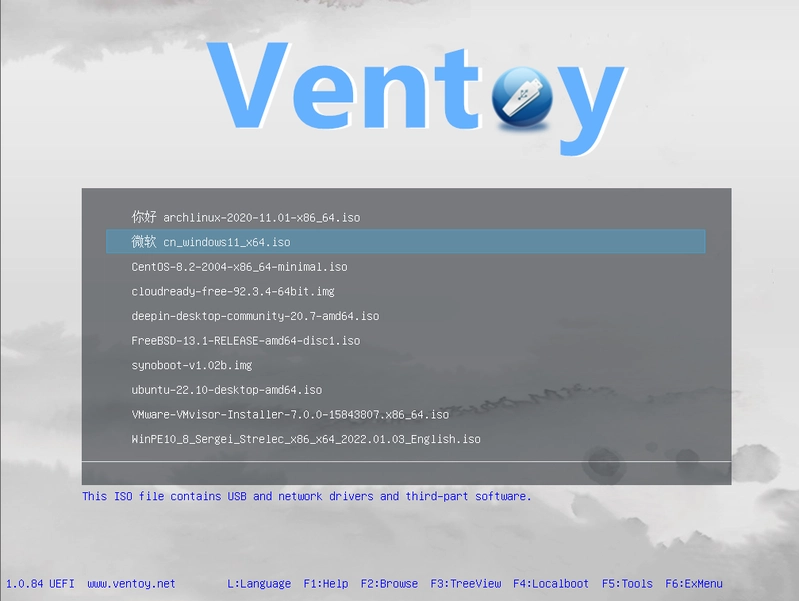
If you use Windows or Linux, you may have created a bootable USB at some point. For example, if you want to install Windows 11 or Linux Mint, you can download the ISO file and use a tool like Rufus to create a bootable USB. Rufus works very well. But recently, while using Linux Mint, I discovered another tool called Ventoy. At first, I wondered: If Rufus already creates bootable USBs, why would I need Ventoy? After understanding how Ventoy works, I realized that the two tools solve slightly different problems. Let's look at it in a beginner-friendly way. What is Rufus? Rufus is a popular tool for creating bootable USB drives. For example, suppose you download the Linux Mint ISO: You open Rufus, select your USB drive and the ISO file, and Rufus prepares the USB so that you can boot your computer from it. The process looks like this: Linux Mint ISO ↓ Rufus ↓ Bootable USB ↓ Install Linux Mint The same idea works for Windows 11 and many other operating systems. Rufus is especially useful when you simply want to create one bootable USB for one ISO. Then what is Ventoy? Ventoy takes a slightly different approach. Instead of writing one ISO directly to the USB, you install Ventoy on the USB drive first. After that, you can simply copy ISO files to the USB like normal files. For example: Ventoy USB │ ├── Windows11.iso ├── LinuxMint.iso ├── Ubuntu.iso ├── Fedora.iso └── Clonezilla.iso When you boot your computer from this USB, Ventoy shows you a menu. You can then choose which ISO you want to boot. Something like: That's the main idea behind Ventoy. The biggest difference This is probably the easiest way to understand the difference: Rufus: ISO → Rufus → Bootable USB You normally repeat the process when you want to replace the ISO. Ventoy: Install Ventoy once ↓ Copy ISO files ↓ Boot from USB ↓ Choose an ISO You don't have to recreate the USB every time you want to use a different ISO. A simple real-world example Imagine you have a 64 GB USB drive. With Rufus, you might create a Linux Mint USB: USB └── Linux Mint Later, you want Windows 11. You would normally use Rufus again and write the Windows 11 ISO to the USB. Now the USB becomes: USB └── Windows 11 The previous Linux Mint setup is replaced. With Ventoy, you could have: USB ├── LinuxMint.iso └── Windows11.iso You can boot either one. And you can add more: USB ├── LinuxMint.iso ├── Windows11.iso ├── Ubuntu.iso ├── Fedora.iso └── Clonezilla.iso Now one USB becomes a small bootable toolkit. You can add and remove ISOs like normal files This is one of the things I like most about Ventoy. Once Ventoy is installed, you don't need a special application every time you want to add an ISO. You can simply copy the ISO file to the USB. For example: Finished. If you don't need it anymore, delete the ISO. Want to use a newer Linux Mint ISO? Delete the old ISO and copy the new one. That's much easier than recreating the entire bootable USB every time. One USB can contain many operating systems This is where Ventoy becomes really useful. You could create a USB containing: Operating systems Windows 11 Linux Mint Ubuntu Fedora Debian Recovery tools Clonezilla GParted Other rescue tools So instead of having five different USB drives, you can keep everything on one larger USB drive. For someone who experiments with Linux, this can be very handy. What about normal files? Another nice thing is that you can continue using the Ventoy USB as storage. For example: Ventoy USB │ ├── ISO │ ├── Windows11.iso │ ├── LinuxMint.iso │ └── Ubuntu.iso │ ├── Documents ├── Drivers └── Software So it doesn't have to be a USB drive that you use only for booting. Ventoy can also support Linux persistence There is another interesting feature called persistence. Normally, when you boot a Linux distribution from a Live USB, you can try Linux without installing it. However, changes you make may disappear after restarting. With Ventoy's persistence support, certain Linux distributions can keep changes between reboots. For example: Boot Linux Mint ↓ Install an application ↓ Change some settings ↓ Create files ↓ Restart ↓ Continue using your changes This is useful if you want to carry a portable Linux environment with you. Persistence support depends on the Linux distribution and configuration, so it is worth checking Ventoy's documentation before relying on it. Does Ventoy replace Rufus? Not really. I think of them as two different tools for different situations. Use Rufus when: You have one ISO and simply want to create a bootable USB. For example: "I downloaded Windows 11 and need to install it on a computer." Rufus is an excellent choice. Use Ventoy when: You want one USB containing multiple bootable ISO files. For example: "I want Windows 11, Linux Mint, Ubuntu and some recovery tools on the same USB." Ventoy is a great choice. Which one should a beginner use? If you only occasionally need a bootable USB, Rufus is perfectly fine. For example: Download Windows ISO ↓ Open Rufus ↓ Create USB ↓ Install Windows There is no reason to change your workflow just because Ventoy exists. But if you regularly experiment with Linux, reinstall operating systems, help friends and family with computers, or want a USB containing several recovery tools, Ventoy becomes much more interesting. My simple way of remembering it I remember the difference like this: Rufus is a bootable USB creator. Ventoy is a bootable USB library. With Rufus, you generally think: "What ISO do I want to put on this USB?" With Ventoy, you think: "What ISO files do I want to keep on this USB?" And that's what makes Ventoy interesting. Final thoughts I still think Rufus is an excellent tool, especially when I need to quickly create a bootable Windows or Linux USB. But Ventoy solves a different problem. If you have a larger USB drive, installing Ventoy once and keeping several ISO files on it can turn a simple USB stick into a portable operating-system and recovery toolkit. For a beginner who is starting to explore Linux, it's definitely a tool worth knowing about.